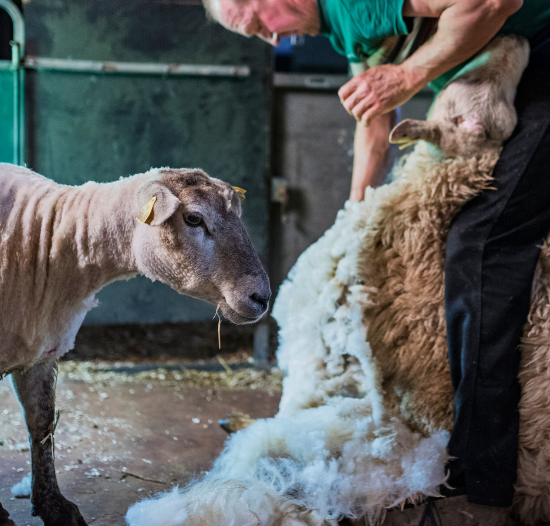
Q fever is caused by the bacterium Coxiella burnetii, commonly found in a wide range of wild and domestic animals including cattle, sheep, goats, and kangaroos. People who work closely with animals or are exposed to their environments are at higher risk.
Humans are typically infected by inhaling contaminated aerosols or dust, or by coming into contact with infected animal materials, in particular placental tissues, birth fluids or excreta (such as urine or faeces).
As a notifiable condition in Australia, healthcare providers must notify confirmed Q fever cases to public health authorities to assist in monitoring and managing outbreaks.
Q fever can manifest as an acute or chronic illness. Symptoms of acute Q fever include fever, chills, fatigue, headaches and muscle aches, however there may be no symptoms in approximately half of those infected. The diagnosis is confirmed by blood testing (usually serological). Q-fever is treated with antibiotics, and most people make a full recovery.
Chronic/persistent Q fever occurs in a small proportion (less than 5 percent) of those infected, but can lead to serious complications, such as heart (endocarditis), bone or blood vessel infections. The risk of chronic Q fever is higher in individuals with underlying conditions that weaken the immune system, and treatment is with prolonged antibiotic therapy and monitoring.
Prevention and vaccination
Vaccination is an effective way to reduce the likelihood of infection, and it is important that vaccination is offered to those at risk.
Pre-vaccination screening to check for past infection or vaccination is required before receiving the vaccine. This is because any person who has previously been infected with or vaccinated against Q fever must not receive the vaccine, as they will have a reaction. The Australian Immunisation Handbook outlines specific requirements for pre-vaccination screening and antibody response.
Q fever vaccination is recommended for:
- Workers in cattle, sheep and goat abattoirs
- Farmers, stockyard workers and livestock transporters
- Vets and vet nurses
- Agricultural college staff and students
- Wildlife, park and zoo workers who are exposed to high-risk animals
- Dog and cat breeders
- Shearers and wool sorters
- Tanning and hide workers
- Pet food manufacturing workers
- Laboratory personnel who work with veterinary products or the bacterium that causes Q fever
- Other people exposed to high-risk animals and/or products derived from these animals.
To help the public and clinicians identify vaccination providers, the Victorian Department of Health has compiled a Q-VAX Provider List, accurate as of October 2024. Download this list to find vaccination services across Victoria in the link below.
It’s important to note that the North Eastern Public Health Unit (NEPHU) does not provide Q fever vaccination services. NEPHU focuses on supporting public health awareness and providing accurate resources to the community.
Other measures to prevent Q fever infection (in addition to vaccination) include good hygiene practices and wearing appropriate personal protective equipment (PPE) such as properly fitted P2 masks and gloves when handling animal products and waste.
What you need to do
If you believe you are at risk due to your occupation or exposure, consult your doctor about vaccination and seek medical advice if you experience symptoms.
Clinicians should be proactive in identifying and managing Q fever, particularly among at-risk patients. Ensure all confirmed cases are notified to the Department of Health, and guide patients to vaccination services using the Q-VAX Provider List.
For more information about Notifiable Conditions and how to report them, visit our webpage below.