As we head into the winter months, it is important that older adults protect themselves from preventable respiratory illness.
Vaccination not only protects yourself, but it also helps reduce the spread of illness across the community.
As an older adult, you can catch infections more easily than younger people, illness can be more severe, and it can take much longer to recover. Long term immunity from having the illness as a child or young adult can decline over time.
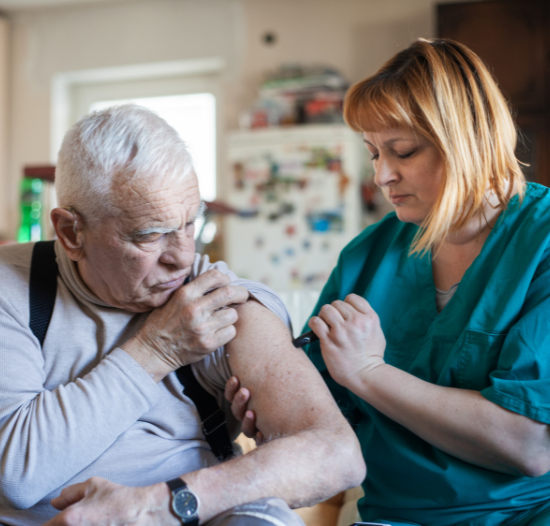
Annual Winter vaccinations that are available for free for older adults include:
- Influenza for people 65 years and over
- COVID for people 65 years and older
- RSV for Aboriginal and Torres Strait Islander adults aged 60 years and above or non-indigenous adults 75 years and above
Other free vaccines that protect older persons from respiratory infection include
- Pneumococcal for Aboriginal and Torres Strait Islander adults aged over 50, and non-indigenous adults aged 70 years or older and for adults with certain medical risk conditions.
You can access these vaccinations through your GP, pharmacy, local council, and community health centres. Although the vaccines themselves are free, keep in mind some GP clinics or pharmacists may charge administration fees, so be sure to ask when you make an appointment.
Reducing your risk of getting sick
On top of staying up to date with recommended vaccinations, there are many ways to reduce your risk of respiratory illness:
- Stay away from people with respiratory symptoms
- Wash your hands regularly, if soap and water is not on hand, use sanitiser
- Avoid touching your face, including your eyes, nose and mouth when out in the community
- Maintain distance and avoid crowded indoor places
If you become unwell, you can protect others from becoming ill by:
- Staying at home until you have recovered
- Wearing a mask if you need to be around others or attending medical appointments
- Avoiding people who are at greater risk of getting sick
Having vaccination conversations
Conversations with family members about vaccinations can be daunting, but hearing vaccine information from friends or family can be more influential than information that comes from online or healthcare providers.
Older adults are at higher risk of becoming severely ill from respiratory illnesses. As people age, their bodies do not respond as well, sometimes boosters or enhanced versions of the vaccine are recommended for protection.
Older adults also socialise with many people, friends, family including grand children and community members therefore, older adults can support the protection of others.