Clinicians and public health units can work together to slow the spread and protect infants from pertussis.
The number of notified cases of pertussis (whooping cough) have been rapidly rising in the NEPHU catchment with multiple clusters and outbreaks occurring in school-aged children.
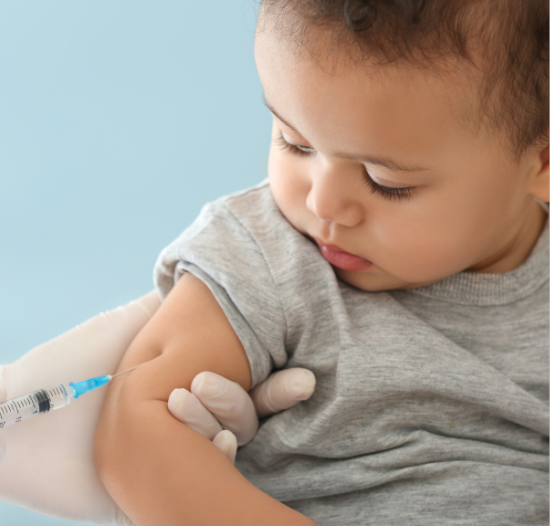
Children younger than six months of age are most at risk from pertussis – commonly known as whooping cough, as they are not old enough to have received their full course of vaccines.
The Chief Health Officer released a health advisory on September 3, 2024 to increase awareness of the higher than usual case numbers in Victoria.
All people diagnosed with pertussis should avoid contact with infants younger than 6 months and pregnant women in the last month of pregnancy. Children diagnosed with pertussis must be excluded from primary school, education and care service premises and children’s services for 21 days after the onset of cough or until they have completed five days of a course of antibiotic treatment.
It is important for health professionals to know that pertussis immunity is known to wane over time and ensure your patients are up to date as per the Australian Immunisation Handbook. Adult boosters are available between 20 and 32 weeks gestation in each pregnancy, at age 50 and 65 years, and every 10 years for healthcare workers, early childhood educators and professions, or people in close contact with infants.
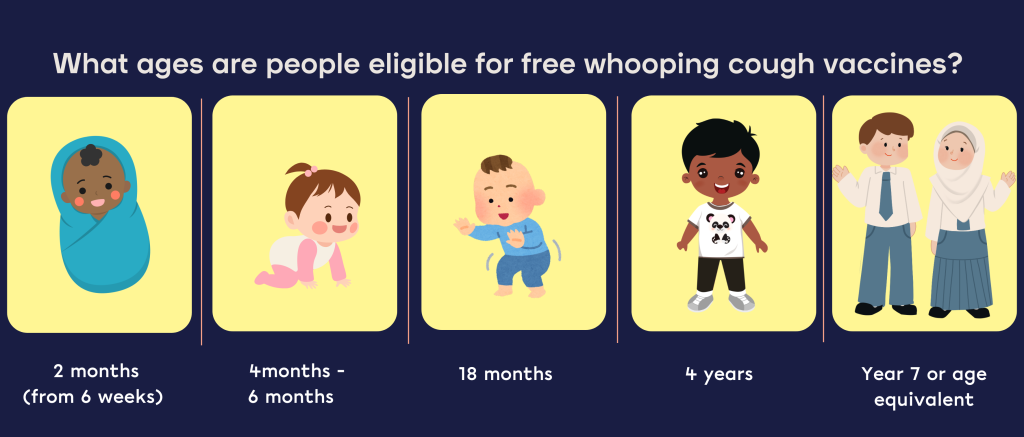
Visit our health topics page to find out more about free whooping cough vaccine under the National Immunisation Program.
For recommended antibiotic treatment, see the Therapeutic Guidelines or the Royal Children’s Hospital Melbourne Clinical Practice Guideline. If one person in a household has been diagnosed with pertussis by Nucleic Acid Amplification Testing (NAAT), the clinician may decide to commence antibiotic treatment for symptomatic household contacts while awaiting confirmatory testing.
Contacts who have been exposed to a confirmed case of pertussis should monitor for symptoms and seek testing and treatment as required. Prophylactic antibiotics are recommended for a subset of contacts who are at higher risk of transmitting infection to infants, and school and children’s service exclusion requirements may apply to under vaccinated contacts.