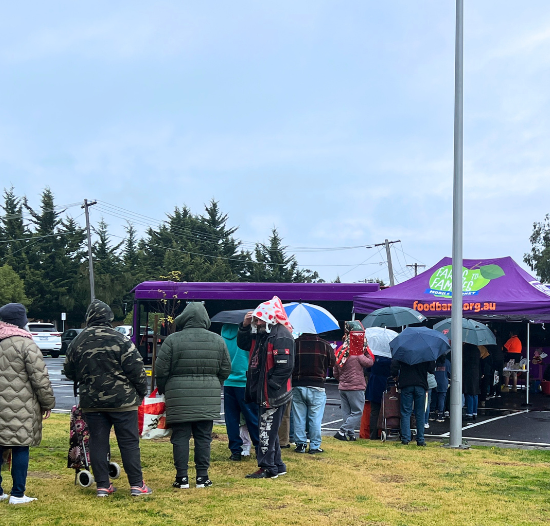
Food insecurity remains a pressing issue in Australia, with new reports revealing its widespread and systemic impact.
The Hunger Report 2024 by Foodbank Australia and the Victorian Parliament’s Inquiry into Food Security in Victoria, tabled on November 14, shed light on the challenges faced by many groups across Victoria, and Australia. These reports underscore the need for immediate action and long-term strategies to ensure equitable access to nutritious and culturally appropriate food.
The reality of food insecurity
As highlighted in Foodbank’s Hunger Report, food insecurity has reached severe levels for more than half of affected households. For these families, it’s not just about compromising on food quality – it’s about missing meals entirely. This issue has escalated recently in line with broader cost of living pressures, with individuals and families regularly forced to choose between essentials like food, housing, and utilities.
According to Brianna Casey AM, CEO of Foodbank Australia, “low-income families, who were only just getting by, have now reached their limits. They are routinely skipping meals, compromising on the quality and nutrition of their food and going without personal care and household products.”
The Hunger Report highlights a growing divide: while some higher-income households have managed to adapt to rising costs, families on the lowest incomes – below $30,000 annually – are locked in a cycle of financial distress.
The Victorian Parliamentary Inquiry report, reinforces this, showing that food insecurity disproportionately affects certain groups, including single-parent households, regional communities, culturally diverse populations, and renters.
The health implications of hunger
The impacts of food insecurity extend far beyond empty plates. Chronic health conditions like diabetes, cardiovascular disease, and obesity are exacerbated by poor nutrition. Mental health issues, including stress, anxiety, and depression, are common among food-insecure households. These challenges often create a cycle of poverty and ill health, particularly for vulnerable groups such as young people and students, Aboriginal and Torres Strait Islander peoples and culturally and linguistically diverse communities.
The stigma associated with accessing food relief further compounds the issue.
According to the Victorian Parliament’s Inquiry, many people feel ashamed or embarrassed to seek assistance, isolating themselves from potential support systems. For children, inadequate access to nutritious food impacts cognitive development, academic performance, and overall well-being, which can have lifelong consequences.
Addressing food insecurity: a strategic vision
As part of the 33 key findings and 25 recommendations from the Victorian Inquiry into Food Security report advocates for a comprehensive strategy to address both the immediate needs of food-insecure populations and the systemic issues driving this crisis. Among its recommendations are measures to improve access to nutritious food through place-based programs, strengthen food relief services, and promote food literacy.
Food literacy, which includes skills like budgeting, shopping, and preparing healthy meals, is a cornerstone of this approach. Programs that embed food literacy into school curriculums, such as the Victorian School Breakfast Clubs, have proven effective but require expansion to meet increasing demand. The Inquiry also calls for innovative approaches, such as trialing universal school meal programs and integrating “Food is Medicine” initiatives into healthcare plans.
Ensuring access to culturally appropriate food was also in focus. For Victoria’s diverse population, food insecurity often includes a lack of culturally specific options. The Inquiry highlights the need for tailored responses, co-designed with communities, to better meet the unique dietary and cultural needs of these groups.
NEPHU’s commitment to population health
The North Eastern Public Health Unit (NEPHU) is deeply committed to supporting food insecurity as part of our broader mission to improve population health. Through partnerships with schools, community organisations, and local governments, NEPHU supports initiatives that increase access to healthy, culturally appropriate, sustainable and affordable food.
NEPHU’s Mapping Food Relief Sites and Services Summary details the definition and broad understanding of food insecurity, and the mapping of food relief services available within the NEPHU catchment. By leveraging local knowledge and resources, we aim to deliver programs that are sustainable and impactful. For example, supporting food hubs and community gardens not only improves access to fresh produce but also fosters a sense of community and resilience.
In line with our commitment to promoting healthy eating from the earliest stages of life, NEPHU supports the INFANT program. This initiative focuses on infant feeding, active play, and nutrition, providing families with the knowledge and resources to give their children the best start in life.
Our efforts are guided by the NEPHU Population Health Catchment Plan 2023-2025, which outlines our strategic priorities and actions to address health inequities, including food insecurity, within our community.
As the Hunger Report reveals, recovery from the cost-of-living crisis will take years, making coordinated efforts across all levels of government more important than ever.
Food insecurity is not just a challenge for food relief agencies; it is a societal issue that requires a multi-sectoral response. The Victorian Inquiry recommends appointing a dedicated Minister for Food and establishing a Food Security Strategy to guide long-term actions. These steps would help transition Victoria’s response from emergency relief to resilience, empowering communities to address their own food security needs sustainably.
As the Hunger Report reveals, recovery from the cost-of-living crisis will take years, making coordinated efforts across all levels of government more important than ever.
Food insecurity is not just a challenge for food relief agencies; it is a societal issue that requires a multi-sectoral response. The Victorian Inquiry recommends appointing a dedicated Minister for Food and establishing a Food Security Strategy to guide long-term actions. These steps would help transition Victoria’s response from emergency relief to resilience, empowering communities to address their own food security needs sustainably.