
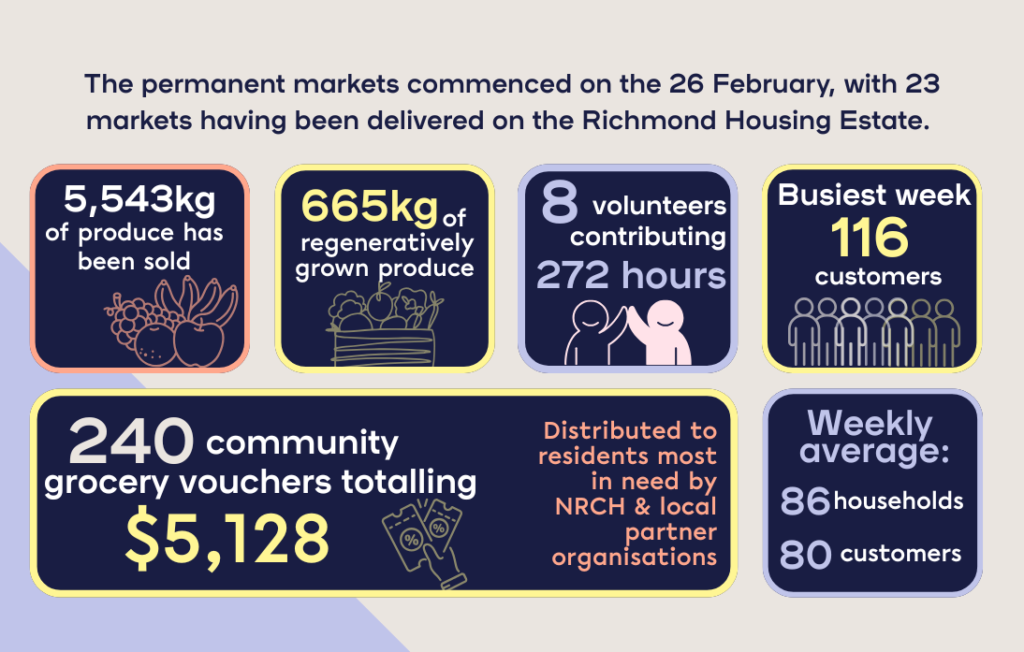
The North Richmond Community Market evolved from short-term pop-up activations into a permanent, community-driven initiative improving food access, affordability, and social connection for residents of the Richmond Housing Estate.
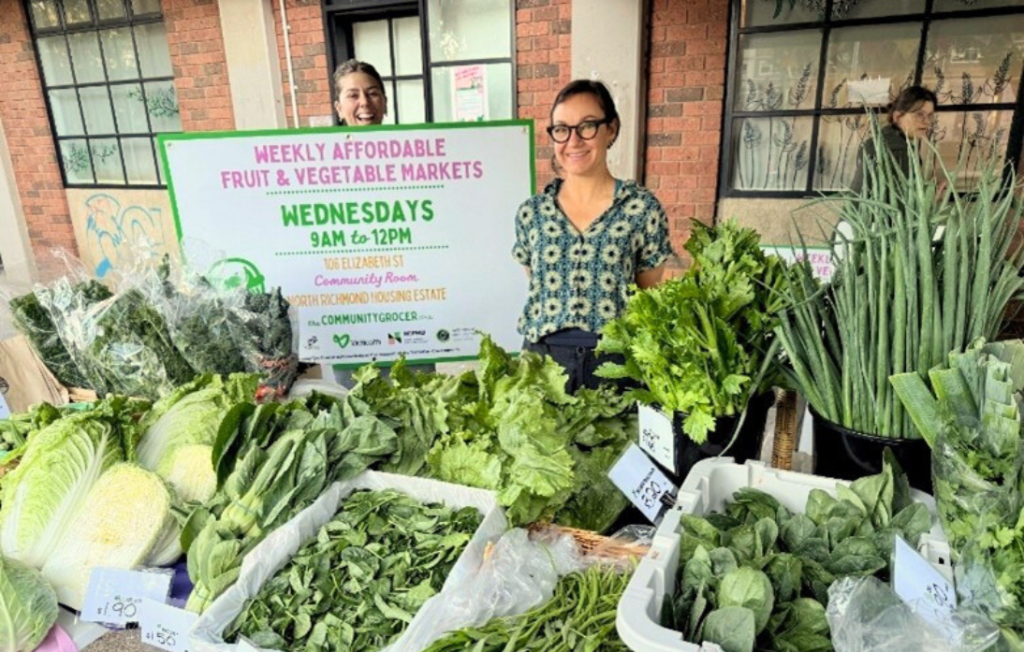
North Richmond Community Health (NRCH) engaged The Community Grocer (TCG) with the support of NEPHU funding to deliver a series of community engagement pop-up markets targeting groups in the Richmond Housing Estate, local schools and neighbourhood houses. These early activations culminated in a feasibility study that demonstrated strong community need and laid the foundation for a successful VicHealth grant application. This new funding transformed the market from a short-term initiative into an ongoing program, now funded until 30 June 2026. Funds were also used to purchase key equipment to support the regular operation of the markets.
Project aims
North Richmond Community Health (NRCH) implemented a Mobile Market initiative to improve access to fresh, nutritious food for vulnerable populations experiencing food insecurity. The market aimed to reduce disparities in healthy food access and dietary habits by ensuring the service was accessible, affordable, community-driven, and supported by education initiatives such as cooking demonstrations and nutritional resources. The market was developed in partnership with community members to encourage involvement through volunteering and local events.
Project implementation and delivery
Results, outcomes and achievements of the project
The Mobile Market was evaluated with 33 randomly selected participants who had visited the Richmond Market. Findings highlighted strong community engagement and positive shift in food access, knowledge of healthy eating and consumption. Forty-eight percent of participants visiting the market weekly and 82% found the market very easy to access.
Before the market, 36% of participants bought fruits once a week with another 36% buying items a few times a week. Since the opening of the market, 78% of participants reported increased access to fruits and vegetables, with 55% stating it helped increase their consumption. Another 82% had tried new fruits or vegetables since visiting the market, and 91% reported that eating fruits and vegetables had improved their health and wellbeing.
The market also contributed to community connectedness and improved knowledge of healthy foods. 100% of participants reported that the market helped to bring the community together with 70% stating they had learnt something new about healthy eating. 30% believed that market was affordable with 58% stating it was somewhat affordable.
Lessons learnt
The market model was transitioned from the short-term pop-up model to a long-term approach to have greater impact and provide a more sustainable option for the community.
This long-term market model was able to maximise the resources available through NEPHU, NRCH and TCG to improve food security and sustainability.
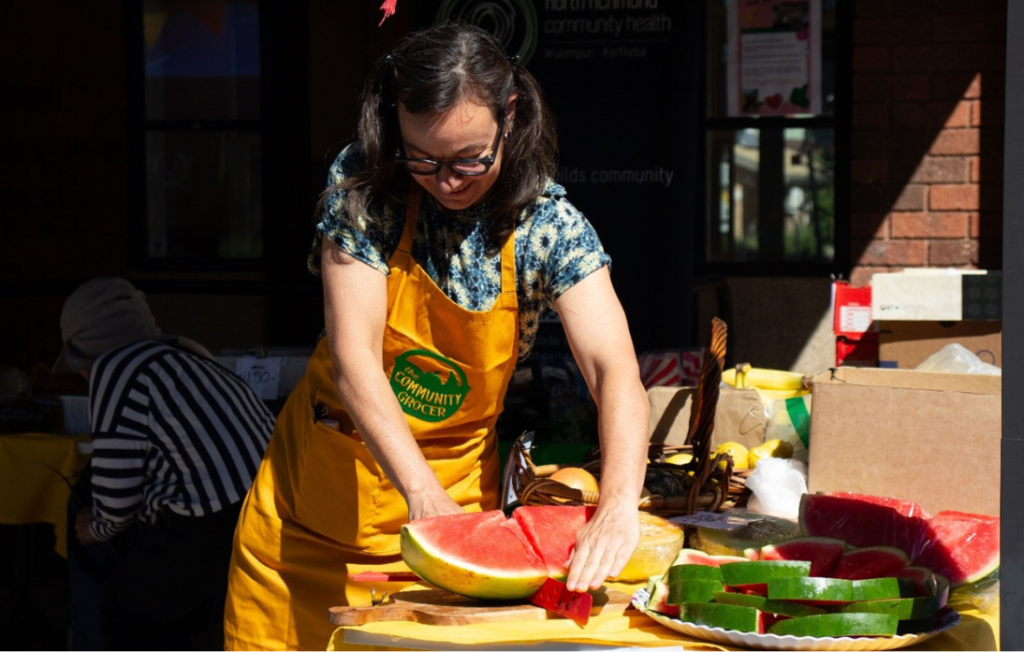
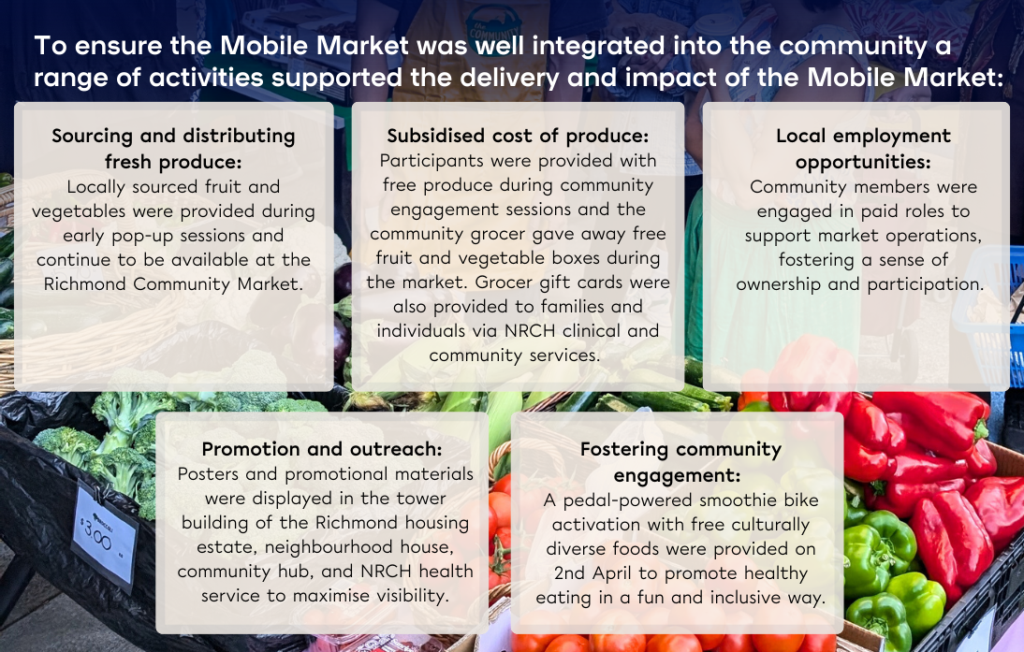
This model gave the community a voice in shaping the market and what it would look like, operating days, and the types of produce that would be made available. It also fostered ownership and participation by involving residents and local community members through volunteering and hosting nutritious food focused community events. It also enabled a partnership with Department of Families, Fairness and Housing to secure a permanent location on the Richmond Housing Estate and to better utilise TCG supports, including grocer gift cards for those experiencing hardship.
While the transition to a longer-term model resulted in delays to the project timeline, it is expected that the benefits for the community will be significantly greater. Earlier community consultation could have streamlined the process, but the outcome has been highly positive.