
Whooping cough, also known as pertussis, is a highly contagious respiratory infection caused by the bacteria Bordetella pertussis.
The illness usually begins with cold-like symptoms and progresses to severe coughing spells, sometimes followed by vomiting, choking, or a “whooping” sound when breathing in. Symptoms can last for several weeks. It can be contagious from the onset of symptoms until 21 days after the cough starts, or after completing 5 days of effective antibiotics.
Who is most at risk of getting whooping cough in the NEPHU region?
People of all ages can get whooping cough. However, whooping cough is especially dangerous for babies under 6 months who are too young to be fully immunised, as they have more serious illness and are more likely to develop complications.
Older children and adults who have not received a recent whooping cough vaccination are also at risk of infection. They may have milder symptoms and unknowingly spread the infection to babies.
How can you protect your children and yourself from whooping cough?
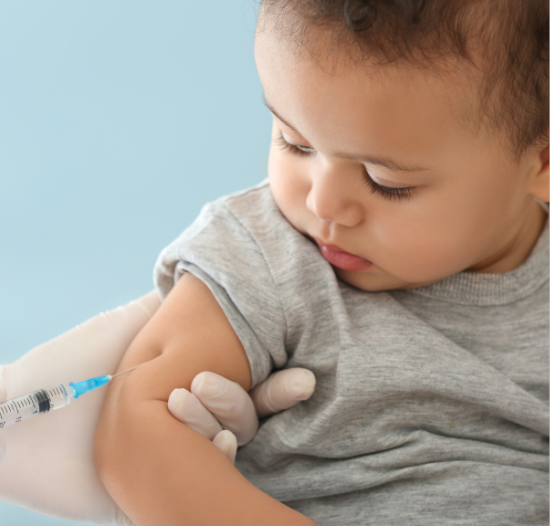
Vaccination is the best protection, particularly for young children. Protection decreases over time, so staying up-to-date with vaccinations and getting boosters is recommended, along with seeking medical attention if symptoms appear.

Children and teenagers/adolescents should be receiving vaccines at scheduled times as part of the National Immunisation Program. Adults will need booster doses every 10 years (and during pregnancy), especially if they care for or work with young children.
Free catch-up vaccinations are also available for anyone who may not be fully vaccinated, including people aged up to 19 years old, refugees and humanitarian entrants (over the age of 20), and vulnerable citizens. Speak to your doctor for more information.
For professionals working with whooping cough (pertussis)
Early diagnosis and treatment of pertussis is important. Antibiotic treatment reduces the infectious period and should be given as soon as possible and within 14 days of cough onset.
Advise patients with pertussis to avoid infants aged less than 6 months and women in the last month of pregnancy while infectious. The infectious period is until 21 days after onset of cough or until they have completed a 5-day course of effective antibiotic treatment.
It is a Victorian statutory requirement for medical practitioners to notify pertussis to the Department of Health within 5 days of diagnosis: Communicable Diseases – Routine notifications)
Children with pertussis must be excluded from children’s services or primary school for 21 days after the onset of cough or until they have completed 5 days of a course of antibiotic treatment. Older children and adults are also recommended to be excluded from school or work for the same period of time.
Contact tracing is the responsibility of the treating clinician. Close contact is defined as exposure within 1 metre for more than 1 hour (but can be less for young infants) and is usually limited to the household.
Antibiotic prophylaxis for close contacts should be given to :
- Infants aged <6 months and women in the last month of pregnancy
- All household members if an infant < 6 months of age or a woman in the last month of pregnancy reside in the house
- Children in the household if they attend childcare in the same room as infants aged <6 months. Parents are recommended to inform the childcare facility
- Healthcare workers in maternity hospitals or newborn nurseries. Workers are recommended to inform their employer
- Childcare workers in close contact with infants aged < 6 months. Workers are recommended to inform their employer
Antibiotic recommendations can be found here.
Antibiotics are no longer recommended if it has been more than 14 days since first contact with the infectious person.
Contacts aged less than 7 years who have not received three doses of pertussis vaccine must be excluded from children’s services or primary school for 14 days after the last exposure to the infectious case, or until they have taken 5 days of a course of antibiotic treatment.